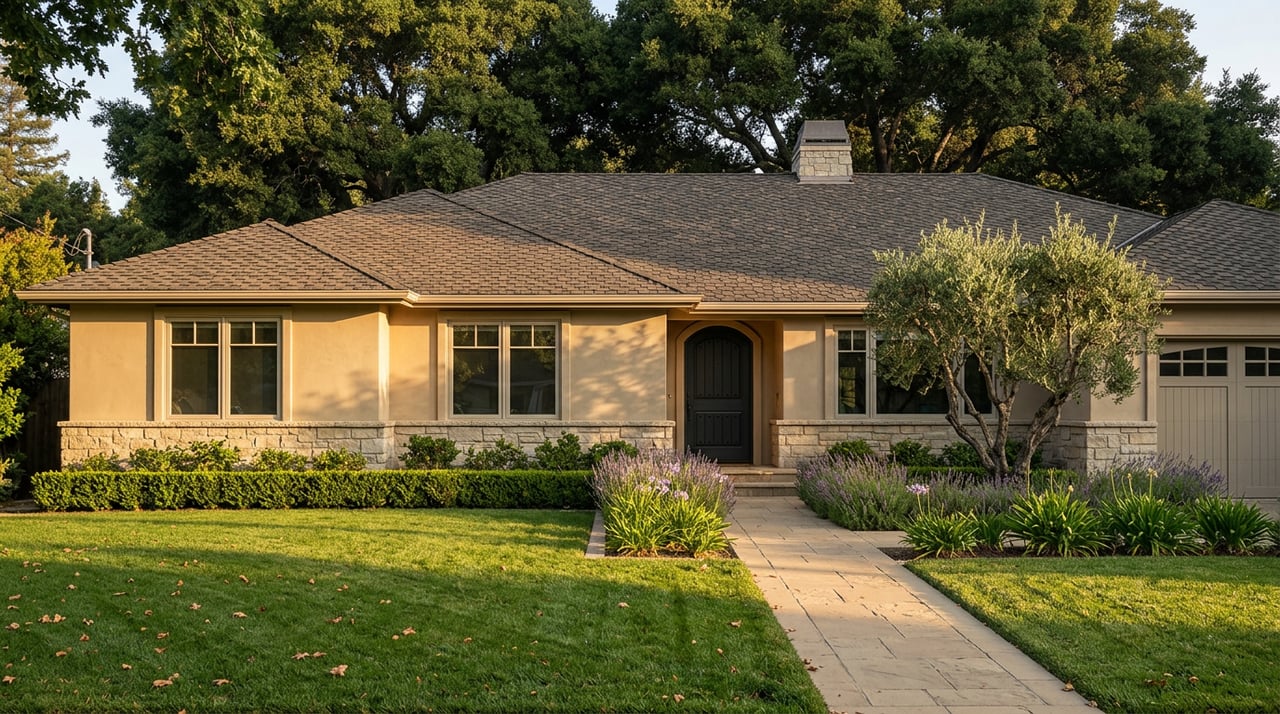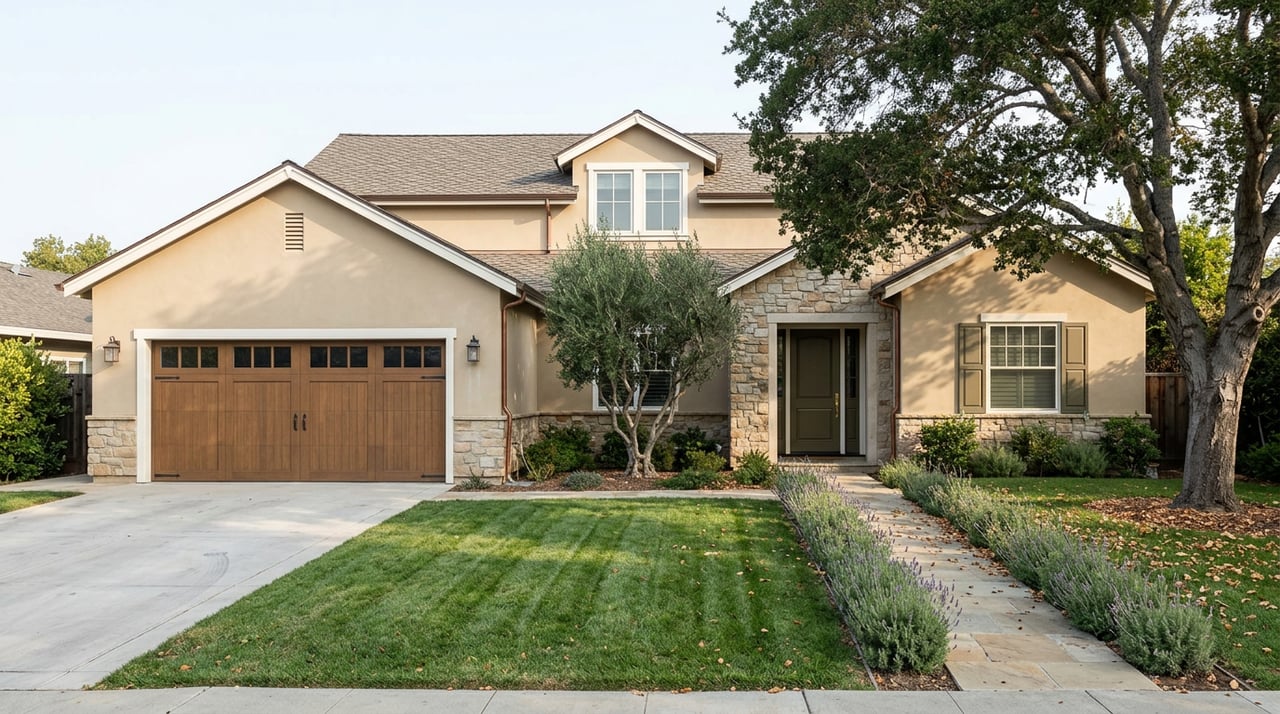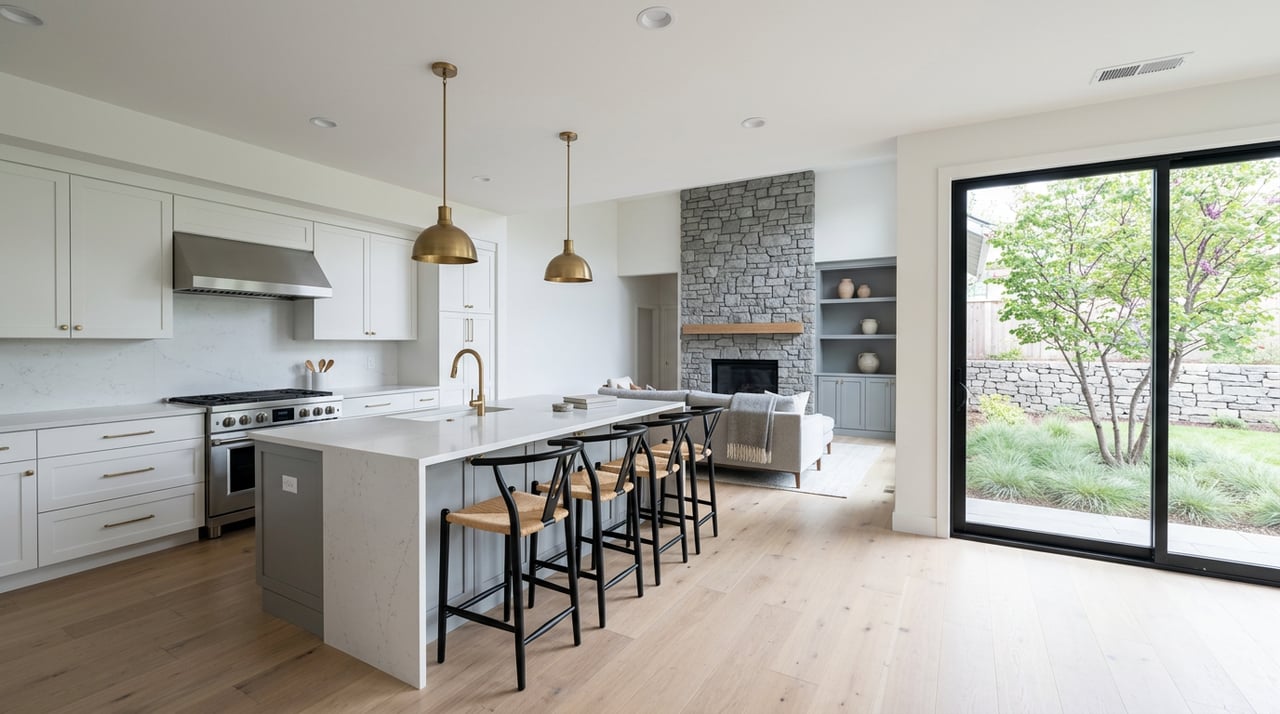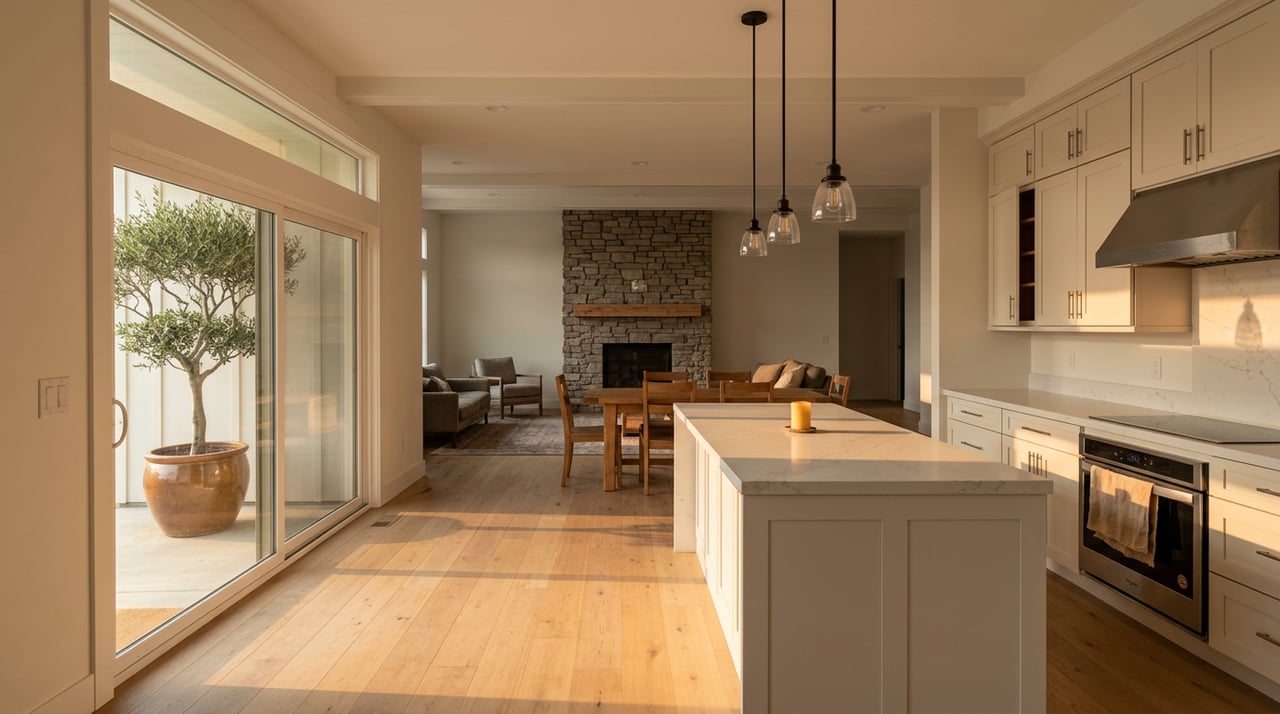
A buyer I'll call the couple from the model home tour stood in a KB Home sales office on Communications Hill last spring, comparing a new single-family floor plan against a similarly priced resale house across town in an older San Jose neighborhood. The square footage was close. The finishes tilted toward the new build. The number that changed the comparison entirely showed up two weeks later, buried in the disclosure package: a Community Facilities District special tax, better known in California as Mello-Roos, adding a real recurring cost that never appeared on the listing sheet or in the open house conversation.
That is not a rare story on Communications Hill or in San Jose's other newer-construction pockets. It is close to the default story. And it points to something buyers comparing a new San Jose neighborhood against an established one consistently get wrong: the sticker price gap between the two is not the real gap. The real gap is the effective annual carrying cost, and in San Jose right now, that number depends heavily on which side of a CFD boundary the parcel sits on.
The Discount That Isn't
Mello-Roos exists because of a math problem California created for itself in 1978. Proposition 13 capped the base property tax rate at 1 percent of assessed value and limited how fast that assessed value could climb, which protected homeowners from runaway bills but also cut off the funding cities used to build new infrastructure. In 1982, the state legislature answered with the Mello-Roos Community Facilities Act, letting cities and school districts form a Community Facilities District around a new development and issue bonds to pay for the roads, sewer lines, parks, and schools that development needs. Property owners inside that district repay the bonds through an annual special tax, layered on top of the standard 1 percent rate, unrelated to what the house is actually worth.
That structure is why the tax shows up almost exclusively in newer construction. Older, already-built San Jose neighborhoods generally paid for their infrastructure decades ago through ordinary property tax revenue. A parcel on Communications Hill or in a newer North San Jose development is, in a real sense, still paying down the bill for the streets and utilities under it.
What's Actually Happening on the Hill
Communications Hill is the clearest live example in San Jose right now, and it is not a finished, static community. KB Home is the applicant of record on the city's own project page for the development, and construction has continued across multiple phases there through 2026. A new release of single-family homes on the hill opened in late 2025 with move-in dates targeted for early 2026, and pricing for that release started around $2 million, a figure specific to that phase rather than a permanent number for the neighborhood.
That single-family product is notable because for years Communications Hill was mostly townhomes and condos. The hill is also picking up a commercial spine it never had. Retail and restaurant space has been approved along the development's internal corridor, the first step toward a walkable neighborhood center rather than a collection of residential phases with nothing at their center.
None of that changes the tax mechanics. New phases on a still-developing hillside are exactly where CFDs get formed, because the infrastructure to support 1,300-plus units of housing does not build itself.
Same City, Two Different Effective Tax Rates
The number that actually matters to a buyer is not the base 1 percent rate. It is the effective rate, meaning the base rate plus everything layered on top of it. In San Jose, that number splits cleanly along a construction-era line.
| Effective annual tax rate | What it includes | |
|---|---|---|
| Established resale neighborhoods | Roughly 1.10% to 1.20% | Base 1% plus voter-approved school and infrastructure bonds |
| Newer construction with a CFD (North San Jose, Berryessa, parts of Communications Hill) | Roughly 1.45% to 1.75% | Base 1% plus bond and school assessments plus the Mello-Roos special tax |
On a $1.8 million home, that spread is the difference between an annual tax bill in the low $20,000s and one closer to $30,000 once the special tax is included. It does not show up when you scan the price per square foot. It shows up on the first full property tax bill, which for new construction often arrives as a supplemental assessment three to six months after closing, once the county has reassessed the finished home rather than the vacant lot it used to tax.
What It Does to Your Loan, Not Just Your Bill
The part buyers underestimate most is that a lender does not treat Mello-Roos as a footnote. It goes straight into the debt-to-income calculation alongside principal, interest, base property tax, and insurance, the same way an HOA due does.
Run the math on a $300 monthly special tax, which sits comfortably inside the range CFDs in Santa Clara County actually charge. According to a mortgage lender's breakdown of the math, pulling $300 a month out of a buyer's available housing budget can reduce the maximum purchase price they qualify for by roughly $50,000 to $60,000, depending on the interest rate and loan term. That is not a cosmetic difference. It can be the gap between qualifying for the home you toured and qualifying for the one two floor plans down.
This is the piece I spend the most time on with buyers who come to real estate from a finance background, because it is the same discipline as underwriting any other cash flow: the sticker price tells you what you're borrowing, not what you're carrying.
The 14-Day Clock
California law requires the seller in a CFD-taxed home, whether a builder or a resale seller, to deliver a Notice of Special Tax within 14 days of opening escrow. That notice has to state the current annual amount, the maximum amount the district is authorized to charge, and when the tax expires. If it does not arrive on time, the buyer has the right to cancel the purchase agreement within three days of finally receiving it.
That clock matters because it is easy to have already removed loan and inspection contingencies by the time the notice lands, which narrows a buyer's options considerably if the number is a surprise. It matters even more in a corridor that is still actively forming new districts. The area around the Berryessa BART station, the first BART stop built inside San Jose, is a case in point. The city's own Berryessa BART Urban Village plan covers roughly 270 acres around the station and continues to bring new housing online, including a 13-acre site at 1655 Berryessa Road being redeveloped into more than 700 units of new housing. New districts of that size are exactly where new CFDs tend to originate, which means the tax picture on a given parcel near BART can look different from one built even a few years earlier.
Four Things to Check Before You Write the Offer
- Pull the parcel's Assessor's Parcel Number and check it against the Santa Clara County Assessor's records for any special assessment line items, before you tour rather than after.
- Ask for the preliminary title report early. It shows recorded special assessment liens more reliably than a seller's memory of what they signed years ago.
- If the Notice of Special Tax has not arrived within 14 days of opening escrow, ask for it directly rather than waiting. You have the right to see it, and a right to walk if it comes in late.
- Ask two numbers, not one: the current annual tax and the maximum the district is authorized to charge. Some CFDs currently bill well below their ceiling, which means the number on this year's bill is not the number you should plan around for year ten.
What This Means If You're Cross-Shopping Communications Hill Against an Older Neighborhood
The honest comparison is not new construction price against resale price. It is new construction price plus its effective tax rate against resale price plus its effective tax rate, run out over however many years you expect to hold the home. A $150,000 price advantage on a new build can shrink or disappear once an extra half a percentage point in annual tax is compounded across a decade of ownership, and it changes what that same home is worth to the next buyer down the line, since a high special tax can narrow the resale pool the same way it narrowed your own qualifying power.
None of this is an argument against buying new construction in San Jose. Communications Hill's terrain, the emerging retail core, and the BART access near Berryessa are real advantages that an older neighborhood may not offer at any price. It is an argument for pricing the whole deal, not half of it, before you're emotionally attached to a specific lot.
Frequently Asked Questions
Does Mello-Roos ever go away? Yes. Most CFD bonds are structured to be repaid over 20 to 40 years from formation, and the special tax ends once the bonds are paid off, unless the district also collects an ongoing services tax for things like park maintenance, which can continue separately.
Does every home in a development pay the same amount? No. The tax is typically calculated by square footage, lot size, or unit type rather than a flat per-home fee, so two houses on the same street can carry different assessments.
Can I negotiate the tax away? Not directly, since it's tied to the parcel rather than the seller. What you can sometimes negotiate is the purchase price itself, using the tax as leverage, or ask the current owner for a prepayment quote if they're willing to pay off their share of the remaining bond balance before closing.
If you're weighing a new-construction home in San Jose against something older, I'd rather walk through the full carrying cost with you before you write an offer than after. That comparison, price, tax rate, and loan qualification together, is exactly the kind of analysis I built my practice around long before I got my real estate license. Reach out to Jose Lopez and let's run the numbers on the specific property you're looking at.