Thinking about moving to Hollister? If you want more space, a smaller-city feel, and easier access to outdoor recreation, Hollister may already be on your radar. At the same time, daily life here comes with tradeoffs, especially if your work, family, or routine takes you beyond town. This guide will help you understand what new residents should know before making a move. Let’s dive in.
Why people choose Hollister
Hollister is the seat of San Benito County, and the city describes itself as a small-valley community about 40 minutes from the Monterey Peninsula and less than an hour from Silicon Valley. It also offers access through Highways 25 and 156, which helps connect residents to surrounding job centers and destinations.
The city’s General Plan presents Hollister as a place to live, work, and play, with a historic downtown, an agricultural setting, and a mix of housing types. It also emphasizes growth that complements the city’s small-town character. For many buyers, that means Hollister offers a different pace than larger nearby markets.
What daily life feels like
For many new residents, Hollister offers a lifestyle built around space, driving convenience, and a more grounded local rhythm. You may find it easier to spread out at home, enjoy local parks, and plan weekend outings without feeling like you are in the middle of a dense urban core.
That said, Hollister works best when you are realistic about how you will spend your weekdays. If your job, errands, or social life regularly pull you toward larger regional hubs, your routine may involve more time on the road than you would like.
Commute expectations in Hollister
If you are relocating from another part of the Bay Area or Central Coast, commute planning matters. U.S. Census QuickFacts reports a mean travel time to work of 36.6 minutes for Hollister residents in the 2020 to 2024 ACS period.
That number suggests Hollister can be a practical home base, but not always a short-commute one. The city notes that travel by car, bus, bicycle, or on foot can be easy within town, and residents can save time when they work locally.
Who Hollister may suit best
Hollister may be a strong fit if you:
- Want a smaller-city setting
- Are comfortable with routine driving
- Need more home space than nearby higher-cost markets may offer
- Value access to parks, trails, and regional recreation
- Prefer a historic downtown atmosphere over a more urban environment
If you need to commute often, it helps to map your real routes in advance instead of relying only on broad distance estimates. A move that looks great on paper can feel very different once your weekday schedule is in motion.
Parks and outdoor recreation
One of Hollister’s biggest lifestyle strengths is outdoor access. The city’s parks master plan identifies a broad network of neighborhood and community parks, including Dunne Park, Las Brisas Park, Santa Ana Park, Valley View Park, and Veterans Memorial Park.
Dunne Park includes softball fields, tennis courts, play equipment, a rose garden, a clubhouse, and restrooms. Veterans Memorial Park includes leased softball fields, picnic and concession space, and lighting. For many residents, these kinds of amenities support easy everyday recreation close to home.
Nearby weekend escapes
If you like active weekends, Hollister gives you solid regional options. Hollister Hills State Vehicular Recreation Area sits about five miles south of town and offers more than 6,800 acres and nearly 200 miles of scenic terrain for off-highway vehicle use, along with designated hiking, biking, and equestrian trails.
Pinnacles National Park is another major draw. According to the National Park Service, the east entrance is 30 miles from Hollister, and the park includes more than 30 miles of trails. That makes Hollister appealing for buyers who want outdoor experiences within an easy day trip.
Downtown, dining, and events
Hollister’s energy is closely tied to its downtown and its role as a stop for people heading to regional attractions. The city’s General Plan notes that visitors contribute to the local economy by dining, shopping, and staying in town while traveling to places like Pinnacles, Hollister Hills, and nearby wineries.
For residents, that means downtown is more than just a backdrop. It plays a real role in how the city gathers, celebrates, and supports local business.
Annual events and local rhythm
The Hollister Downtown Association calendar includes recurring events such as a seasonal farmers market, Food Truck Tuesdays, a Downtown Wine & Beer Stroll, a Street Festival & Car Show, and holiday celebrations like Lights On. These events can help new residents plug into the community and get a feel for the local calendar.
One of the city’s signature annual events is the Hollister Motorcycle Rally, held downtown on San Benito Street. The city says it is free and open to the public, and it remains one of Hollister’s best-known traditions.
For an extra nearby outing, Casa de Fruta offers restaurant, winery, and bakery or deli options, and it also hosts the Northern California Renaissance Faire on select fall weekends. It is the kind of regional stop many residents can work into a casual day trip.
What the housing market looks like
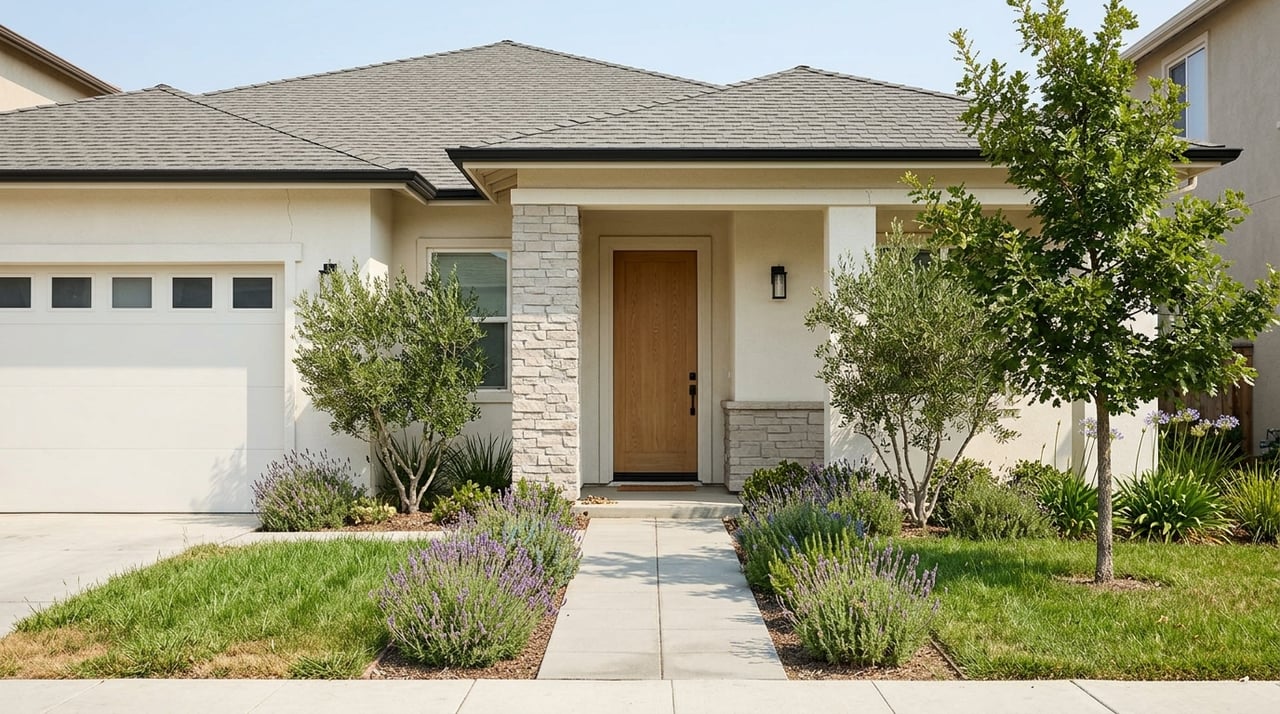
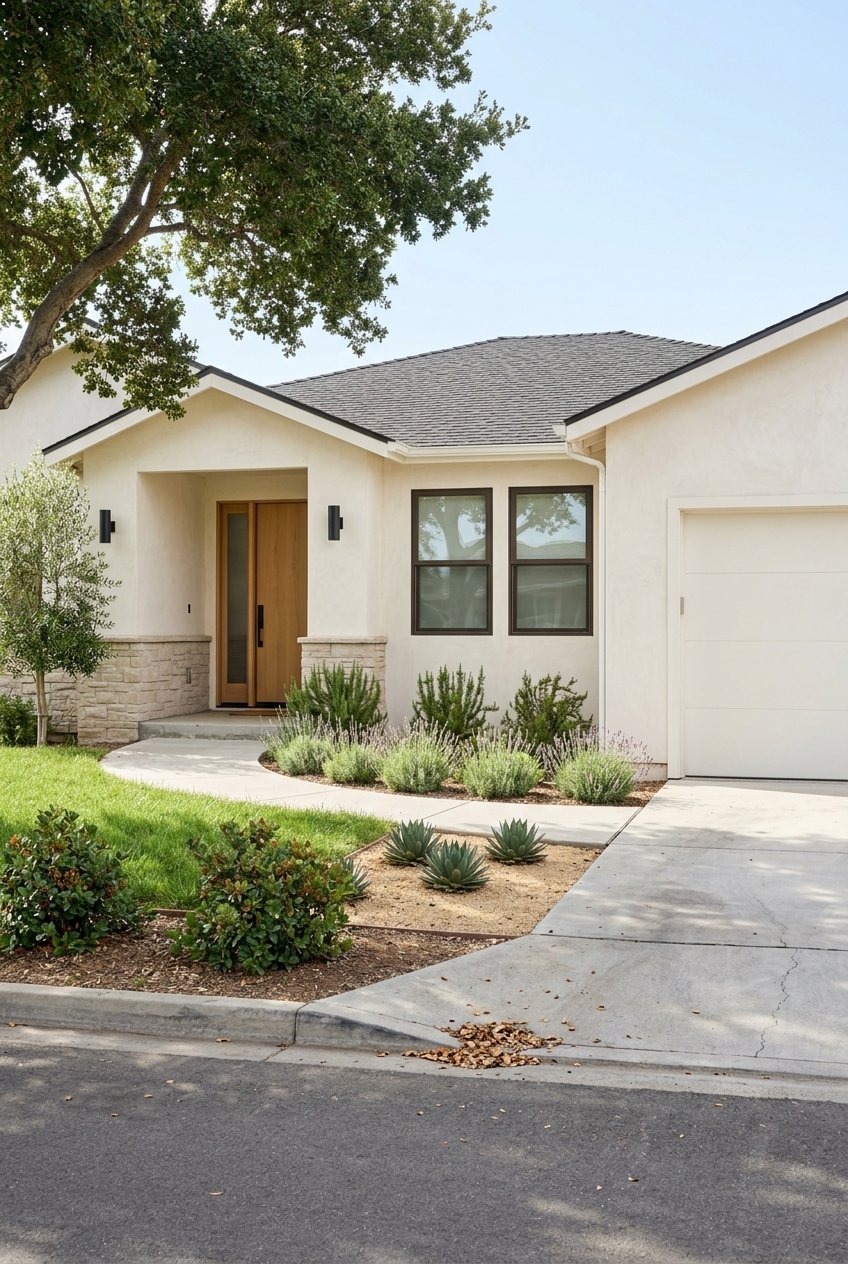
If you are shopping for a home in Hollister, the first thing to know is that this is still largely a detached-home market. A city housing analysis says about 80% of the housing stock is single-family, with most of that inventory detached.
That matters because it shapes both buyer expectations and neighborhood feel. In practical terms, many people looking in Hollister are comparing single-family options rather than expecting a housing mix centered on dense urban-style development.
Price ranges new buyers should understand
Housing price data can look a little different depending on the source and the metric used. Census QuickFacts reports a median value of owner-occupied housing units of $717,500 for the 2020 to 2024 period. Redfin shows a recent median sale price of $739K for the three months ending April 2026, while Realtor.com shows a median listing price of $829K in ZIP code 95023 in May 2026.
These numbers are not interchangeable, because they track different parts of the market. Still, taken together, they suggest many buyers may be shopping in roughly the mid-$700,000s to low-$800,000s depending on location, condition, and whether they are comparing sold homes or active listings.
What future growth may look like
The city says new growth is primarily focused in existing urban areas or adjacent to existing development. For you, that may mean future housing options are likely to continue clustering around established neighborhoods and infill areas rather than forming a single dense urban core.
That pattern can be useful when you think about long-term value, traffic flow, and how different parts of Hollister may continue to evolve. It is one more reason to look beyond price alone and weigh the full location picture.
Key tradeoffs to think through
Every move involves tradeoffs, and Hollister is no exception. The appeal often comes down to balancing space, lifestyle, and local character against commute time and driving needs.
Before you buy, it helps to think through questions like:
- How often will you commute out of town?
- How important is detached-home inventory to your search?
- Do you want quick access to parks and outdoor recreation?
- Will downtown events and a small-town setting add value to your routine?
- Are you comparing Hollister with more urban or more coastal alternatives?
These are not just lifestyle questions. They are also financial questions, because your location choice affects time, transportation habits, resale appeal, and the type of home you can buy for your budget.
How to approach a move wisely
If you are serious about living in Hollister, try to evaluate the move from both a lifestyle and financial angle. Visit at different times of day, drive your likely routes, and pay attention to how often you would leave town during a normal week.
It also helps to compare active pricing with recent sale trends so you understand what sellers are asking versus what buyers are actually paying. In a market where detached homes dominate and price metrics vary, clear local guidance can make your search much more efficient.
Whether you are buying your first home, planning a move-up purchase, or selling and buying on a timeline, the goal is the same: make a decision that fits the way you want to live and supports your long-term financial picture.
If you want practical guidance on buying or selling in Hollister, connect with JOSE LOPEZ for clear, local advice and a strategy built around your goals.
FAQs
What is Hollister like for new residents?
- Hollister offers a small-valley setting with a historic downtown, an agricultural backdrop, a mix of housing types, and access to regional destinations like the Monterey Peninsula and Silicon Valley.
What should buyers know about commuting from Hollister?
- U.S. Census QuickFacts reports a mean travel time to work of 36.6 minutes, so you should plan carefully if your job or daily routine takes you outside town often.
What outdoor activities are near Hollister?
- Hollister has a network of local parks, plus nearby access to Hollister Hills State Vehicular Recreation Area and Pinnacles National Park for hiking, biking, equestrian use, and other outdoor recreation.
What kind of homes are common in Hollister?
- Hollister’s housing stock is dominated by single-family homes, with a city housing analysis reporting that about 80% of the inventory is single-family and mostly detached.
What price range should homebuyers expect in Hollister?
- Based on reported housing value, sale price, and listing price data, many buyers may find themselves shopping roughly in the mid-$700,000s to low-$800,000s, depending on the home and market segment.
What events help new residents get to know Hollister?
- Recurring downtown events include a seasonal farmers market, Food Truck Tuesdays, a Downtown Wine & Beer Stroll, a Street Festival & Car Show, holiday celebrations, and the annual Hollister Motorcycle Rally.